Bram Stoker
Introduction
Bram Stoker is a name inseparable from Gothic horror literature. Though he authored several novels and stories, he is most widely recognized for his 1897 novel Dracula, a work that has shaped the modern image of the vampire and significantly influenced horror fiction, film, and pop culture. Stoker's life was as intriguing as the world he created, filled with illness, intellect, literary ambition, and theater.
Early Life and Education
Abraham “Bram” Stoker was born on November 8, 1847, in Clontarf, a coastal suburb of Dublin, Ireland. As a child, he suffered from a mysterious illness that left him bedridden for much of his early years. This long period of inactivity perhaps fostered the rich inner world that would later fuel his imagination as a writer.
Despite this rough start, Stoker grew into a healthy young man and went on to attend Trinity College Dublin, one of Ireland’s most prestigious universities. He studied mathematics and was actively involved in university life, joining the debating society and excelling in athletics. This blend of physical vigor and intellectual engagement foreshadowed the complexity of characters in his later novels.
Civil Service and Literary Beginnings
After university, Stoker entered the Irish civil service, working as a clerk at Dublin Castle. Although the work was stable, he remained creatively restless. He began writing reviews for The Dublin Evening Mail, where he offered theatrical criticism. These unpaid reviews were the first steps toward his literary career and introduced him to key figures in the theater world.
Stoker’s first published book wasn’t fiction at all; it was a legal manual titled The Duties of Clerks of Petty Sessions in Ireland (1879), a reflection of his day job. While this may seem a dry beginning, it demonstrated his skill in clear, structured writing and his ability to communicate complex ideas, both of which served him well in fiction later.
Connection to Theater and Sir Henry Irving
A major turning point in Stoker's life came when he met the famous English actor Sir Henry Irving. Impressed by one of Stoker’s glowing reviews, Irving invited him to dinner, which led to a close personal and professional relationship. In 1878, Stoker moved to London to become Irving’s business manager at the Lyceum Theatre, a position he held for nearly 30 years.
Managing a theater and working closely with one of England's leading actors gave Stoker access to elite artistic and literary circles. He met authors like Arthur Conan Doyle and Oscar Wilde (whose former fiancée, Florence Balcombe, Stoker had married). These experiences deepened his understanding of dramatic storytelling, influencing the suspenseful, theatrical style seen in Dracula.
The Creation of Dracula
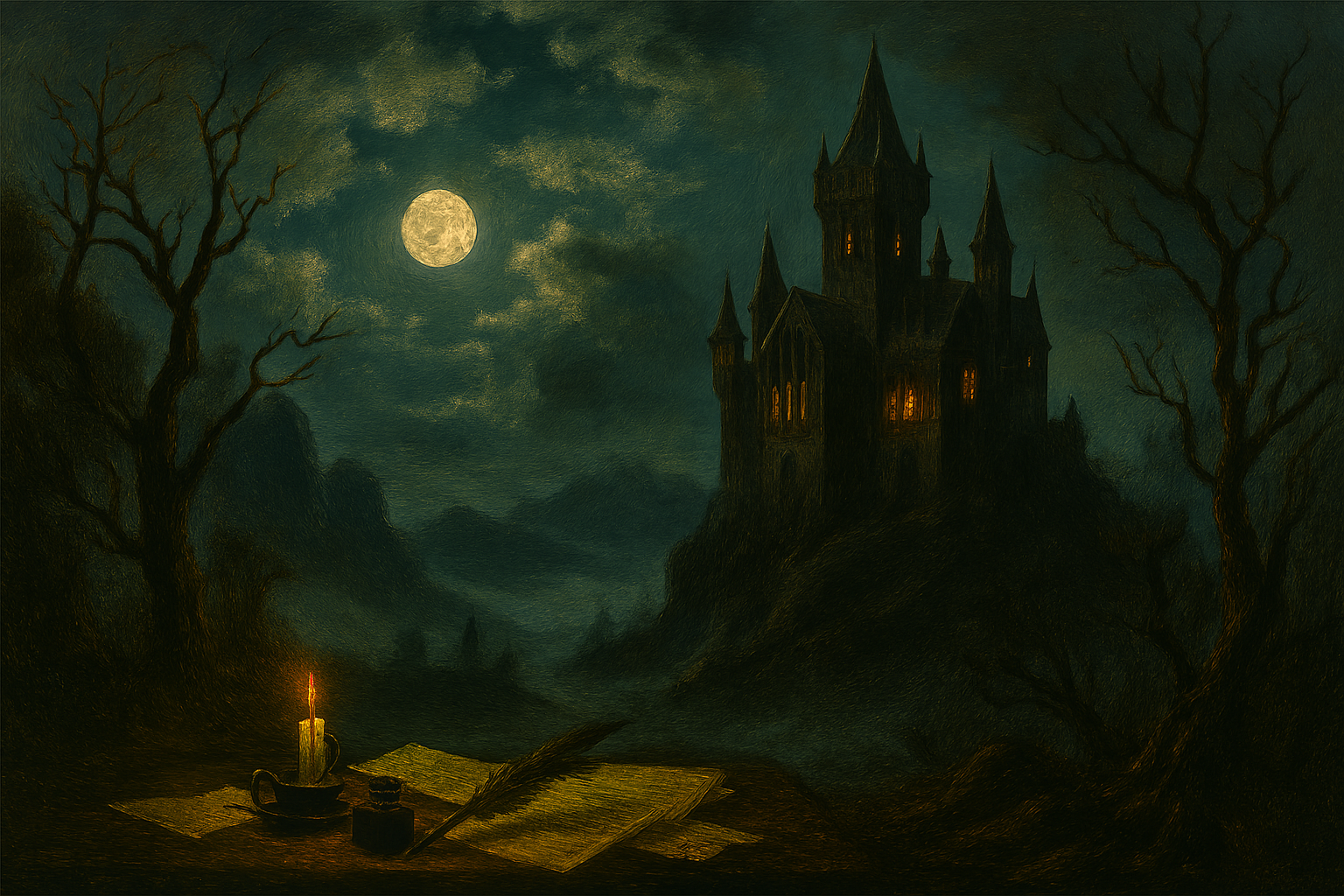
Stoker spent nearly a decade researching European folklore, vampire legends, and historical figures like Vlad the Impaler before writing Dracula. Published in 1897, the novel is structured through diary entries, letters, and newspaper clippings, an epistolary format that enhances realism and suspense.
Set in both Transylvania and Victorian England, the novel explores themes of modernity versus ancient evil, sexuality, xenophobia, and the boundaries between life and death. Count Dracula, the enigmatic and charismatic villain, became one of the most iconic characters in literary history.
Though not an immediate commercial hit, Dracula eventually grew in popularity and became the cornerstone of modern vampire mythology, inspiring countless adaptations.
Generated by AI
Other Works and Literary Output
Although Dracula is his most enduring work, Stoker wrote several other novels, including The Snake’s Pass (1890), The Jewel of Seven Stars (1903), and The Lady of the Shroud (1909). His themes often explored mystery, ancient curses, and supernatural forces. While these novels never reached the fame of Dracula, they reflect his fascination with the unknown and Victorian anxieties about science, religion, and empire.
Later Life
Stoker’s health declined in his later years, and he died on April 20, 1912, in London. After his death, Dracula’s Guest and Other Weird Stories (1914) was published, including material believed to have been cut from the original Dracula manuscript.
His influence continues today, from early films like Nosferatu to modern adaptations such as Castlevania. Newly discovered writings, including the recovered 2024 story Gibbet Hill, have renewed scholarly interest in his work.
Conclusion
Bram Stoker was more than the creator of Dracula; he was a multidimensional thinker whose work bridged Victorian rationalism and Gothic imagination. Through Dracula, he captured universal fears that continue to echo across horror literature and culture.
Stephen King
Introduction
Stephen Edwin King, born in 1947 in Portland, Maine, is a prolific American author renowned for his contributions to horror, supernatural fiction, suspense, and fantasy. With over 60 novels, countless short stories, and several non-fiction works, King has become a literary icon known for his vivid imagination and gripping storytelling.
Early Life and Education
King’s early life was marked by hardship. After his parents separated, he and his brother were raised by their mother, Ruth. The family moved frequently before settling in Maine. King attended Lisbon Falls High School and later earned a Bachelor of Arts in English from the University of Maine at Orono.
During college, King wrote for the school newspaper and became involved in student politics. These experiences shaped his worldview and later influenced his stories.
Early Career and Breakthrough
After graduation, King struggled financially, working various jobs while writing short stories. His first paid publication, “The Glass Floor,” appeared in 1967. Many of his early works were later compiled in Night Shift.
In 1971, King married Tabitha Spruce and began teaching English at Hampden Academy. Despite long work hours, he continued writing. His breakthrough came in 1973 when his novel Carrie was accepted for publication, allowing him to pursue writing full-time.
Generated by AI
Literary Success and Notable Works
King produced a string of bestsellers, solidifying his place as a master of modern horror. Notable works include:
- 'Salem's Lot (1975)
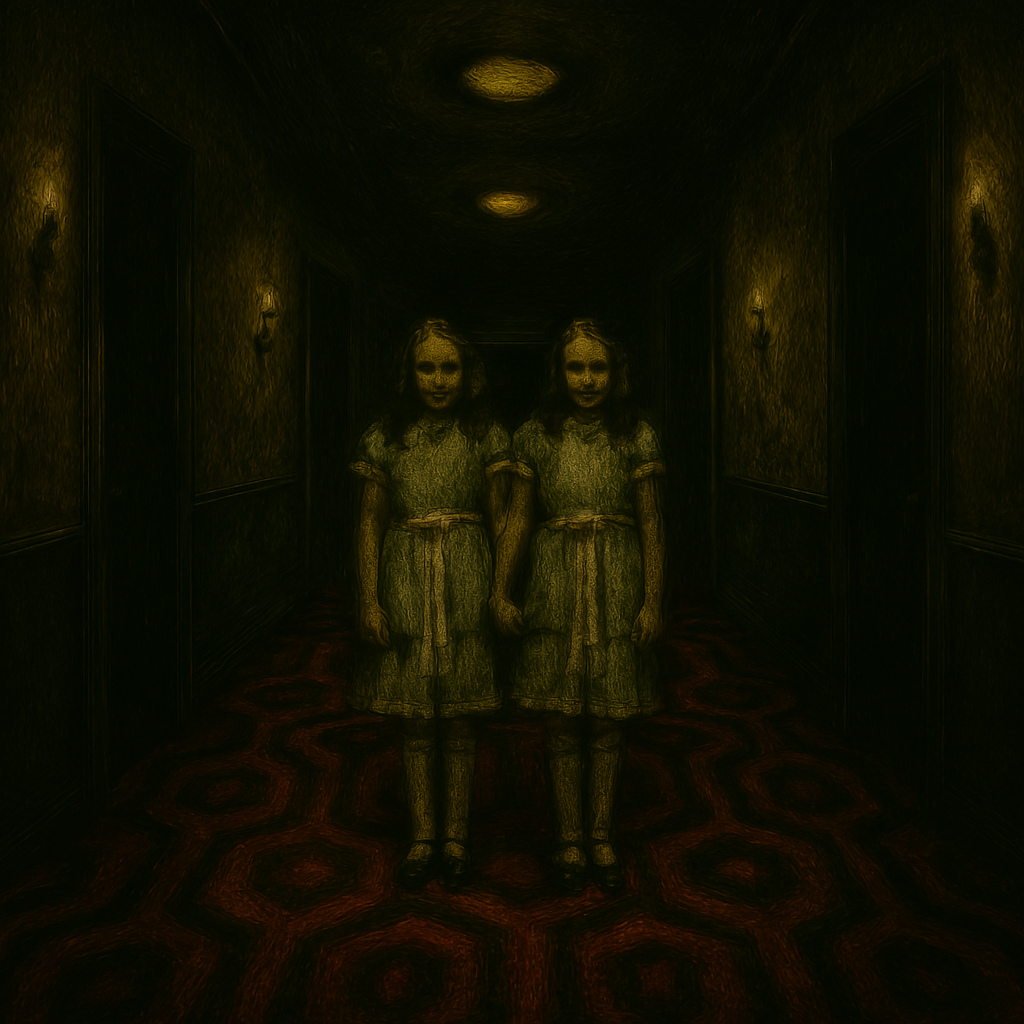
- The Shining (1977)
- The Stand (1978)
- It (1986)
- The Dark Tower series
Generated by AI
Personal Life
King and his wife Tabitha have three children, including Joe Hill, a successful horror author. They divide their time between Maine and Florida, balancing family life with philanthropy and writing.
Awards and Recognition
King has received numerous honors, including:
- National Book Foundation Medal for Distinguished Contribution to American Letters (2003)
- Edgar Allan Poe Grand Master Award (2003)
- Bram Stoker Award for Lifetime Achievement (2004)
Legacy and Influence
King’s influence extends far beyond books. His works have been adapted into films, series, and miniseries, reaching a global audience. His skill in combining the supernatural with ordinary life has made him a defining figure in modern horror.
Conclusion
Stephen King has transformed horror into a reflection on human emotion and vulnerability. Through unforgettable characters and powerful storytelling, he remains one of the most influential writers of our time.